The Historical Context of Texas and Its Reputation
Texas, the Lone Star State, is steeped in rich history and cultural narratives that shape public perception both within and outside its borders. Many people have strong feelings about Texas, influenced by a complex amalgamation of history, culture, and contemporary events. This article will delve into the reasons behind the often negative perception that people have of Texas, providing insights for newcomers considering a move to this diverse state.
When exploring options, why do people hate texas may offer comprehensive insights into the opinions and experiences of residents and newcomers alike.
The Origins of Texas Stereotypes
Texas stereotypes often stem from its history of independence and rebellion. Following its independence from Mexico in 1836, Texas cultivated an image of rugged individualism that persists today. This self-identity, while instilling a sense of pride in many Texans, also invites skepticism and criticism from others who view the state's bravado as excessive or off-putting.
Key Events That Shaped Public Perception
Significant historical events, such as the Texas Revolution, the annexation to the United States, and the Civil War, played crucial roles in shaping the state's identity. During the 20th century, Texas emerged as an oil powerhouse, further enhancing its assertive public persona. However, the environmental impacts and economic disparity linked to this growth have contributed to mixed perceptions of the state.
Current Attitudes Toward Texas Culture
Modern Texas is characterized by vibrant cities like Austin, Houston, and Dallas, each with distinct cultures that often clash with the state's traditional image. The juxtaposition of progressive cities amid conservative rural areas creates a unique but sometimes controversial image that influences how Texas is viewed both nationally and internationally.
Common Reasons Behind Negative Perceptions
Several common themes emerge when discussing why people harbor negative feelings toward Texas. These include political, environmental, and economic factors that impact the quality of life for residents and contribute to national stereotypes.
Political Climate and Its Impact
The political landscape in Texas can be a sticking point for many. The state's leadership has faced criticism for its conservative policies, especially concerning social issues such as gun control, education, and healthcare. This often creates a perception of Texas as unwelcoming or out of touch with progressive values, alienating potential residents who prioritize liberal policies.
Environmental Challenges and Criticisms
Texas's environmental challenges, including air quality issues in urban centers and the impacts of climate change on its vast landscapes, contribute to negative perceptions. Frequent droughts, hurricanes, and the state's energy practices, primarily rooted in fossil fuels, raise concerns about sustainability and the long-term livability of certain regions.
Economic Factors Affecting Living Experience
While Texas boasts a strong economy, it also has significant disparities in wealth and access to resources. The booming tech industry in cities like Austin contrasts sharply with rural areas facing economic decline. This economic dichotomy can lead to frustrations among residents and misconceptions among outsiders who may view Texas as overly homogeneous in wealth and opportunity.
Understanding Diverse Experiences in Texas
Texas is a vast state with diverse experiences that can vary dramatically based on location, socioeconomic status, and cultural background. Understanding these differences can help mitigate some common misconceptions about what life in Texas is like.
Cultural Vibrancy and Community Spirit
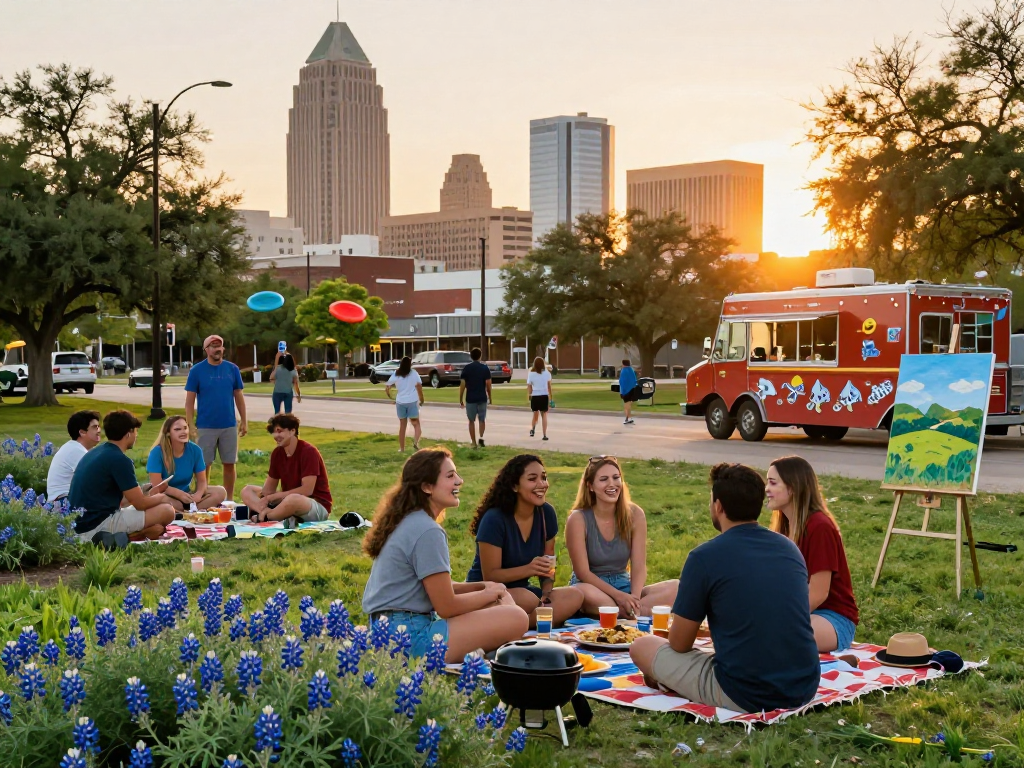
Despite negative perceptions, many enjoy Texas for its strong sense of community, rich cultural heritage, and culinary scene. From barbecues and Tex-Mex to art festivals and music scenes, Texas is home to many vibrant local cultures that attract newcomers. Understanding these aspects can provide a more rounded view of life in Texas beyond its stereotypes.
Regional Differences: The Urban vs. Rural Divide
Urban areas in Texas like Austin and Houston display a progressive attitude, with thriving arts, education, and job markets. In contrast, rural areas often hold traditional values and face different challenges, such as access to education and healthcare. This urban-rural divide often shapes inhabitants' experiences and perceptions of the state.
Real Stories from Texas Residents
To truly grasp why people feel the way they do about Texas, listening to the voices of its residents is crucial. Many Texans describe a pride in their state's resilience and diversity, sharing personal anecdotes that highlight both the struggles and the celebrations of life in Texas. These stories may help newcomers appreciate the state's complexity and the depth of its community spirit.
Insights into Moving to Texas
For those contemplating a move to Texas, it’s important to set realistic expectations. Doing so can help mitigate the culture shock and aid in adjusting to the unique environment of this large and diverse state.
What New Residents Should Expect
Newcomers will find a mix of perspectives and lifestyles in Texas. Expect friendly interactions, especially in rural areas, where Southern hospitality is king. Urban residents, on the other hand, may experience a multicultural environment that prioritizes inclusivity. Understanding this blend can ease the transition for many.
Best Practices for Relocating to Texas
When moving to Texas, it’s advisable to research local laws, job markets, and regional characteristics. Additionally, engaging with local community groups or social media communities can provide newcomers with valuable insights and connections, helping them to acclimate faster.
Resources for a Smooth Transition
Various resources are available to aid in the relocation process. Websites dedicated to Texas culture, cost of living comparisons, and housing market insights can help newcomers make informed decisions. Furthermore, local government websites provide updated information on amenities and services available in specific areas.
Addressing Misconceptions and Challenges
To navigate the complications of moving to and living in Texas, it is essential to address and debunk prevalent myths that can cloud new residents' judgments.
Debunking Myths About Life in Texas
There are many myths about Texas that simply do not hold up under scrutiny. For instance, while the state is known for its heat, many areas have wonderful seasons, and metropolitan cities often offer cooler retreats. Additionally, the notion that all Texans are conservative is misleading; many residents advocate for progressive values and change.
How to Navigate Cultural Differences
Cultural differences can be pronounced in Texas. Learning about the local customs and traditions can ease misunderstandings. For example, being respectful of Texas's cultural heritage, which includes a mix of Latino, Native American, and Anglo influences, can foster goodwill and integration.
Creating a Supportive Community Network
Building a network is essential when relocating to Texas. Participating in local clubs, community events, and volunteering can pave the way for new friendships and a sense of belonging. Often, locals are eager to share their culture and make newcomers feel at home.
What Should I Know Before Moving?
Before making the leap to Texas, it’s important to familiarize yourself with the state's housing market and cost of living. Cities like Austin and Dallas have rapidly evolving real estate markets that can pose challenges for newcomers trying to find affordable housing amidst growing demand.
How Can I Prepare for Life in Texas?
Preparation is key for making a smooth transition. New residents should engage in research about their desired location's job market, schools, and community resources. Familiarizing yourself with local healthcare options and transportation systems can also make settling in easier.
What Are the Best Cities to Move To?
The best cities for newcomers depend heavily on individual preferences. Austin is popular for its vibrant culture and job opportunities in tech, while cities like San Antonio and Houston offer rich cultural experiences and affordability. Researching each city’s unique benefits can help prospective movers select the best fit.